

A Journey into the Soul of the Wild
South Africa does more than impress; it connects. From the first rustle of wind through the bushveld to the low call of lions at dusk, the country draws you into a rhythm that feels timeless. Travellers arrive for wildlife and scenery. Many leave with a clearer head and a fuller heart.
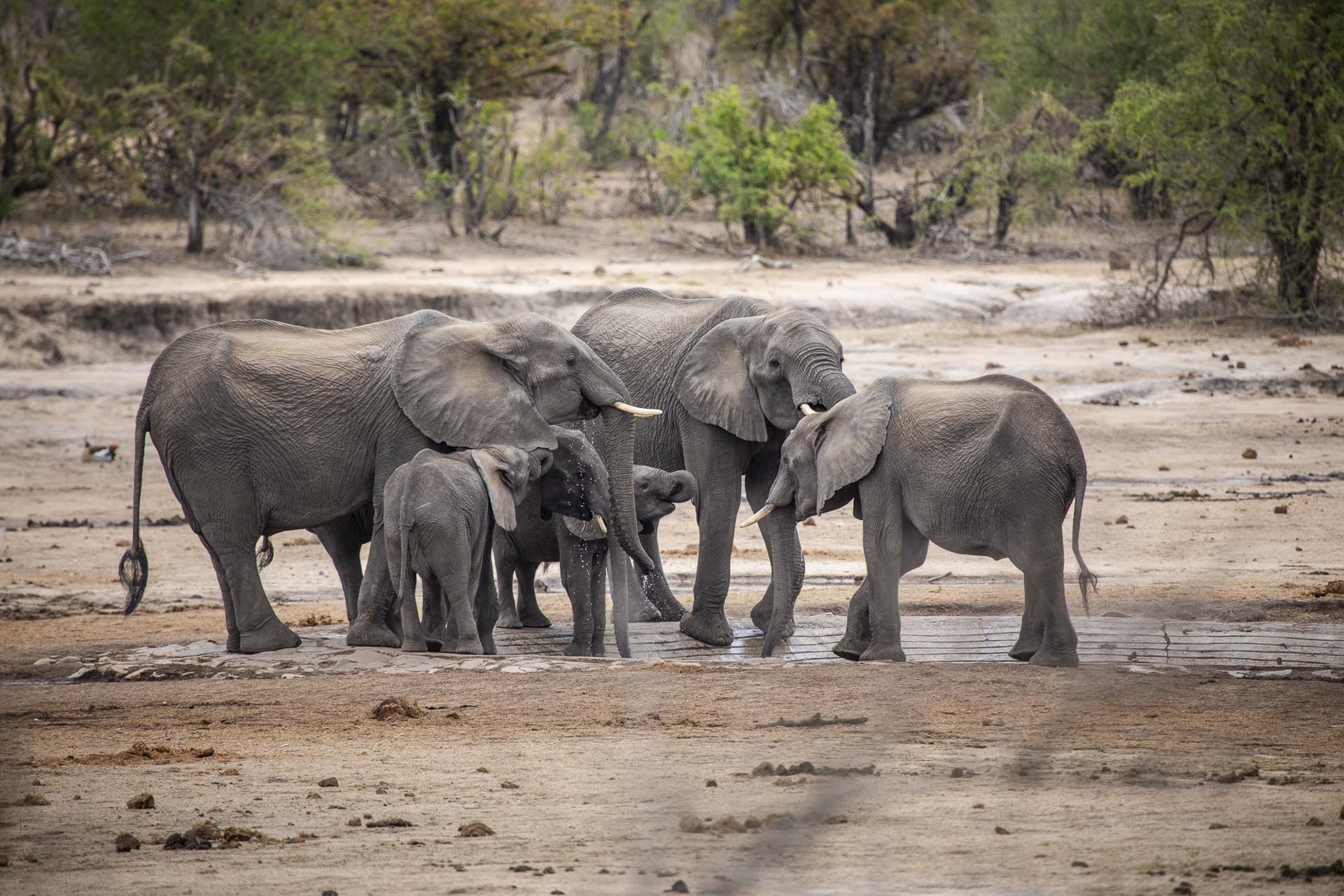
This is a place where city and wilderness sit side by side. A morning can begin with penguins at Boulders Beach and end with elephants drinking at a Lowveld waterhole. The variety encourages unhurried travel. Slow down, listen, and let each region reveal itself.
Landscapes That Breathe
The land moves in distinct moods: Cape Winelands and Atlantic shores, the dramatic peaks of the Drakensberg, and the vast plains and sculpted "kopies" (hills) of the Karoo. Each region carries its own story. The constant is space to pause and notice... sunrise over the savanna, dust hanging in warm light, and winter skies dense with stars.
Add the red dunes of the Kalahari, the wetlands and beaches of iSimangaliso, the Wild Coast cliffs, and the forested curves of the Garden Route. Inland, Blyde River Canyon and the Panorama Route offer viewpoints where horizon and river meet. The variety means every itinerary can match a different pace and mood.
Wildlife Encounters That Change You
Wildlife here lives free. On safari you may watch elephants wade a shallow pan, trace fresh tracks of a leopard, or feel the quiet presence of a rhino as it grazes. Guides read the bush and share context so every sighting makes sense, so the result is not just photographs; it is perspective. Respect grows with each drive as you see how animals, climate, and people fit together.
Look beyond the Big Five: cheetah on a termite mound, wild dogs (painted wolves) trotting in formation, giraffe outlined against an amber sky. Notice the small stories too; dung beetles rolling their prize, oxpeckers fussing over a buffalo, and weavers stitching grass into nests. These moments often outlast any checklist.
Get the Most out of Every South Africa Safari
- Travel in small groups to reduce pressure on sightings and improve guiding.
- Go early and late to match peak animal movement and avoid midday heat.
- Choose patience over rushing; a relaxed hour at a waterhole can define a trip.
- Keep voices low, never feed wildlife, and follow your guide’s instructions at all times.
- Respect viewing distances and avoid blocking animal paths; skip flash at night.
- Prefer reserves and lodges that invest in conservation and local employment.
Cultures That Welcome You In
South Africa has 11 official languages and a wide range of traditions. Hospitality feels natural. You might share stories around a boma fire after a drive, taste regional dishes, or learn a few phrases from your guide. The warmth is real. You arrive as a guest and leave as a friend.
In the Cape, pair a safari with tastings in the Winelands and Cape Malay cuisine. While exploring KwaZulu-Natal, explore coastal wetlands and hear the history of the Zulu kingdom. In the Eastern Cape, family‑run lodges show how conservation and community projects grow together. Encounters are simple and human: a shared meal, a laugh around the fire, and a farewell that feels like a promise to return.
Find Your Reset in the Wild
Time in nature clears mental clutter. Many travellers arrive seeking adventure and leave with something steadier. Call it renewal, a sense of scale, and a better way to carry daily life once home. The bush has a way of simplifying what matters.
Unplugging is easy here. Lodges encourage slow mornings and early nights. Walks invite quiet conversation. Birdsong becomes a clock. Families find that children adapt quickly to the rhythm of drives and downtime. Couples value the calm between activities. Solo travellers appreciate the companionship of small groups and expert guides.
When to Visit
Kruger and the Lowveld
- May–September (dry season): Thinner vegetation and reliable water sources improve game viewing.
- October–April (green season): Lush scenery, peak birding, and dramatic afternoon storms.
- April and October (shoulder months): Balanced conditions and fewer crowds.
Cape Town and the Western Cape
- November–March (summer): Long beach days, outdoor dining, and calm mornings for Table Mountain or Cape Point.
- April–October (cooler and wetter): Great for the Winelands, whale season roughly June–November, and quieter trails.
- August–September: Namaqualand wildflowers can bloom after good winter rains.
KwaZulu‑Natal and the East Coast
- Year‑round: Warm coast, humid summers, mild winters, strong birding, and reliable game viewing in the north.
Suggested Routes
- 8 Day Kruger National Park Safari: Spend 8 days on an ultimate South Africa Safari that will be a balm for your soul. Wilderness, solitude and tranquillity in the rugged beauty of the Kruger.
- 12 Day Panorama Route to Kruger: This tour is an excellent choice for people who want to enjoy spectacular scenery, combined with game drives to see the renowned big five.
- 21 Day Kruger to Cape Town Tour: Hluhluwe or Phinda for wildlife, then mountain hikes and rock art in the Drakensberg.
Plan Your Safari
Ready to experience this for yourself? Speak with Wake Up in Africa Safaris about a route that suits your time, budget, and interests. We tailor every itinerary to your pace and travel style. Share your wish list—big cats, walking safaris, family time, or photography—and we will design days that feel unhurried and meaningful.